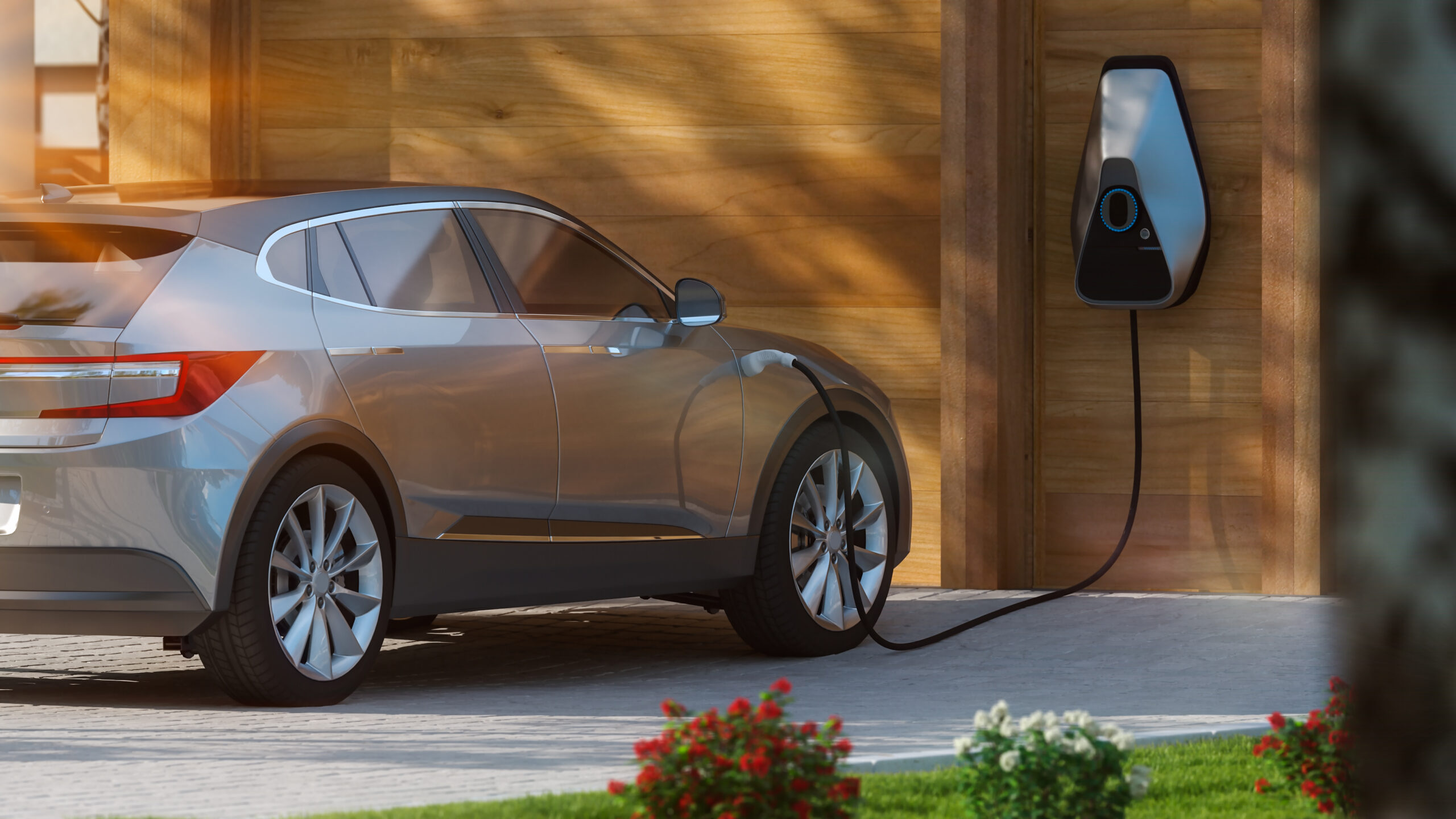

EV charger installation in Bristol, TN, introduces a distinct new load to your electrical system. If your electrical infrastructure (panel and wiring) cannot support that added demand, you will face repeated performance issues and create unnecessary safety risks for your property. The most reliable way to determine whether your panel can handle an EV charger installation is through a professional assessment. If you already have a modern panel rated around 200 amps, you are generally in a strong position. Even so, there are additional factors you should understand. Here is a comprehensive guide.
Types of EV Chargers
The type of EV charger you choose plays a direct role in how much electrical capacity your home needs. The two options often used in residential settings include Level 1 and Level 2 chargers.
Level 1 Charger
A Level 1 home EV charger is the entry point for most homeowners. In fact, it often comes with the car. This charger uses the standard 120-volt household outlet to power the car. It delivers 1.2 to 2.4 kilowatts of alternating current, which any home electrical panel can comfortably support.
You won’t need to upgrade your electrical panel and wiring for a level 1 charger. However, level 1 chargers tend recharge vehicles slowly. Sometimes, an overnight session may not fully replenish the battery.
Level 2 Charger
A level 2 EV charger installation is the practical choice for most EV owners. It’s significantly faster and can fully replenish a typical EV battery overnight.
Most residential Level 2 chargers use a 240‑volt outlet and operate at up to 30 amps, delivering about 7.2 kilowatts of power. This higher output is what makes Level 2 charging efficient, but it also places a much heavier load on your electrical panel. Before buying and installing one, allow an electrician in the Tri-Cities to evaluate your electrical infrastructure and determine whether your home can support it.
The National Electrical Code (NEC) Requirements for Installing an EV Charger
Level 2 EV chargers must be installed based on the code of compliance set by the NEC. These standards ensure that the charger, the circuit supplying it, and the surrounding electrical infrastructure operate safely under continuous load.
The first key requirement is panel capacity. The panel must have sufficient capacity to comfortably and safely handle a modern EV charger for Johnson City, TN homeowners. To satisfy this prerequisite, you need a 200-amp panel, which provides about 48,000 watts of total electricity capacity. This level of service gives your home the headroom needed for a dedicated 240‑volt circuit and the charger’s continuous amperage draw.
The second requirement is a dedicated circuit. Your EV charger can’t share the same circuit with any other appliance, device, or system. A Level 2 charger must have its own uninterrupted path from the panel to the charging unit. This prevents overload, reduces the risk of nuisance tripping, and ensures the charger receives the full amperage it is designed to draw. The NEC also specifies that this dedicated circuit must be sized for continuous load. A 6 AWG or 8 AWG copper wire paired with a dedicated 240V breaker is typically recommended.
The third requirement is appropriate grounding and bonding. Grounding connects the electrical system to the earth to safely disperse fault currents and stabilize voltages. This grounding electrode system must be intact, properly sized, and correctly connected to the panel, circuit, and the charger.
Bonding, on the other hand, connects all exposed non‑current‑carrying metal parts so they remain at the same electrical potential. This includes the enclosure, conduit, and mounting hardware. Proper bonding ensures that if a fault occurs, no metal component becomes energized in a way that could create a shock hazard.
The fourth NEC requirement is a safe installation location. If you are installing your Level 2 EV charger in Kingsport, TN indoors, it must be mounted at least 18 inches above the ground. If installed outdoors, it must be positioned at least 24 inches above the ground to protect the unit from moisture, flooding, and physical damage.
Indoor locations must have sufficient ventilation and be kept well away from hazardous areas, such as near combustible storage, toxic fumes, and materials. Outdoor units require NEMA‑rated weatherproof enclosures and conduits to protect the charger from rain, humidity, and temperature swings.
Why Panel Capacity and Permits Matter
If your electrical system frequently trips circuit breakers, flickers, or shows visible signs of wear or damage, a panel upgrade may be necessary before installing a Level 2 charger. A struggling electrical infrastructure cannot reliably support a new and demanding continuous load.
Permits, on the other hand, protect you from penalties and fines issued by your local government, HOA, or utility provider. They also guarantee that your installation meets safety standards and passes inspection.
Contact Stateline Services for More Information
Stateline Services has been serving the Tri‑Cities and Southwest Virginia for over 40 years. Our electricians can perform full electrical system inspections and diagnostic evaluations, covering main panel capacity, safety limits, circuit breakers, wiring, and surge protection. We will not only help you source the best EV charger for your home but also install it for you. More importantly, we offer flexible financing options to make the investment manageable.
Contact Stateline Services for professional EV charger installation in Bristol, TN.