

For Bristol, TN, homeowners, a slow sink drain or standing shower water can be a daily frustration. Unlike minor, isolated clogs, recurring toilet issues or multiple backed-up drains often point to a more serious problem in your main drain or sewer line.
Signs You May Have More Than a Simple Clog
A single slow drain is an inconvenience, but a pattern of plumbing issues signals a bigger problem. If you notice any of the following signs, your home’s drainage system likely needs a professional evaluation.
- Multiple slow drains at once
- Water backups when flushing a toilet
- Gurgling toilets or changing water levels
- Persistent sewage odors
- Clogs that return quickly
- Wastewater at a floor drain
Common Causes of Household Drain Clogs
Every drain in your home is susceptible to clogs, but the cause often depends on the location. Knowing what typically causes blockages can help you prevent them.
Kitchen Drains
Kitchen sinks often clog because fats, oils, and grease can solidify inside pipes, trapping food particles and soap scum. Over time, this buildup creates a thick, stubborn blockage that slows drainage.
Bathroom Sinks and Tubs
For clogs in sinks and tubs, the primary culprits are hair, soap residue, and toothpaste. These materials bind together, forming dense clumps that obstruct water flow in sink, shower, and tub drains.
Toilets
Reserve toilets for human waste and toilet paper. Flushing items like “flushable” wipes, feminine hygiene products, or paper towels can easily create a clog. Even using too much toilet paper at once can cause a backup.
Main Sewer Lines
The main sewer line carries all wastewater from your home to the municipal sewer. Causes of clogs here include invasive tree roots, debris building over many years, or structural damage like misaligned pipes.
Why Recurring Clogs Need Professional Diagnosis
DIY methods may seem to fix a recurring slow drain, but they often only create a small channel through the blockage. While this restores some flow, the bulk of the clog remains, and the problem quickly returns. This cycle indicates the need to address the root cause.
One of our professional plumbers can perform a camera inspection to identify the exact location, size, and cause of the clog. This technology allows us to see inside your pipes without guesswork. We’ll use the right technique for a lasting solution.
DIY Methods to Use With Caution
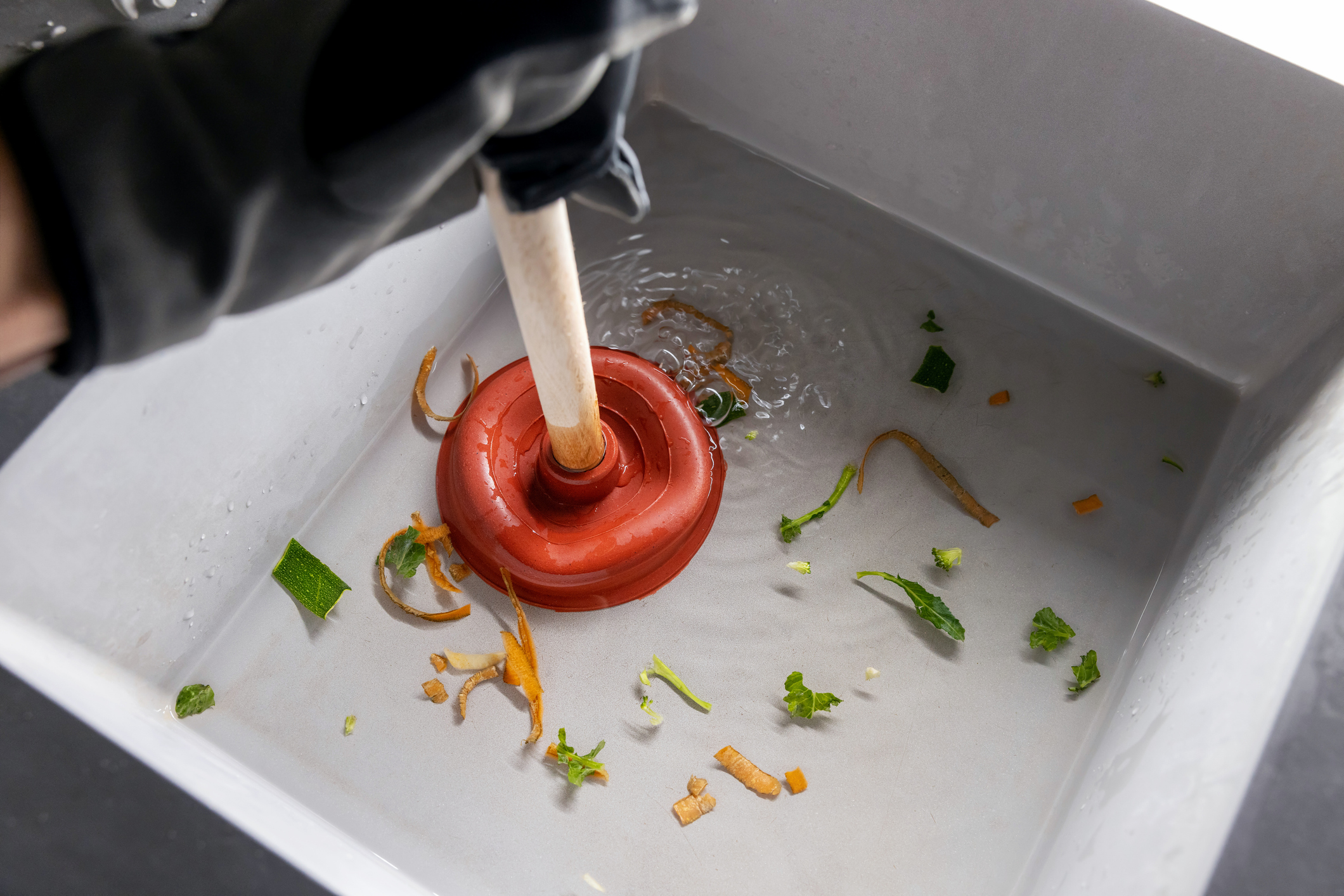
For a minor clog in a single sink, a plunger is a safe first step. Cleaning the P-trap directly beneath the sink can also resolve the issue. However, many common DIY solutions can do more harm than good.
We advise against using chemical drain cleaners. These harsh liquids can corrode pipes, especially in older homes. They also create a safety hazard if the clog doesn’t clear, leaving toxic chemicals sitting in your plumbing. Never mix different chemical cleaners, as this can produce dangerous fumes. Forcing tools into pipes can also damage them, turning a simple clog into a complicated repair.
What Professional Drain Cleaning May Include
At Stateline Services, we designed our plumbing process to fully resolve drain problems. A typical service includes an inspection and the use of a mechanical auger to break up the blockage. For tougher clogs from grease or sludge, we may use hydro jetting, which scours pipes clean with high-pressure water.
When a Clog Is a Plumbing Emergency
Some drain issues are true plumbing emergencies that require immediate attention. If you experience sewage backing up into your home, an overflowing toilet, or multiple fixtures backing up simultaneously, you need help right away.
In an emergency, stop using all water in your home. If possible, shut off the water to the overflowing fixture. Keep people and pets away from the area, especially if sewage is present. Then, call for immediate help. Stateline Services offers 24/7 emergency sewer drain service.
How to Help Prevent Future Clogs
The best way to deal with a clog is to prevent it. Be mindful of what goes down your drains. Keep grease, coffee grounds, and food scraps out of the kitchen sink. Use drain strainers in showers and tubs to catch hair. Flush only human waste and toilet paper.
Regularly cleaning your garbage disposal and addressing any slow drain as soon as you notice it can also help. If our inspection reveals an ongoing issue with your main line, we may recommend a maintenance plan to keep it clear.
Schedule Drain Cleaning in Bristol
A persistent clogged drain can disrupt your household. Instead of struggling with temporary fixes, let a professional plumber restore your pipes. Our team at Stateline Services has the tools and expertise to handle any blockage, from a simple sink clog to a main sewer line obstruction. Here, you can learn more about us and our commitment to our neighbors.
For expert drain cleaning in Bristol, TN, and the surrounding Tri-Cities area, contact Stateline Services today.